Yep, we may get a tiny thank-you (read: commission) when you buy through
links on Soundfindr — not enough for a yacht, but enough to keep the lights (and
servers) on.
Learn more
Ooops...!
You've got an alert.
10
Alternatives
0
Likes
The 10 Alternatives to Blue Yeti
:
Broadcast-Quality Microphones for Streaming and Voice Production — 2026
Discover leading alternatives to the Blue Yeti microphone featuring better noise control, flexible USB and XLR options.
Explore Your Options
Alternative products worth considering.
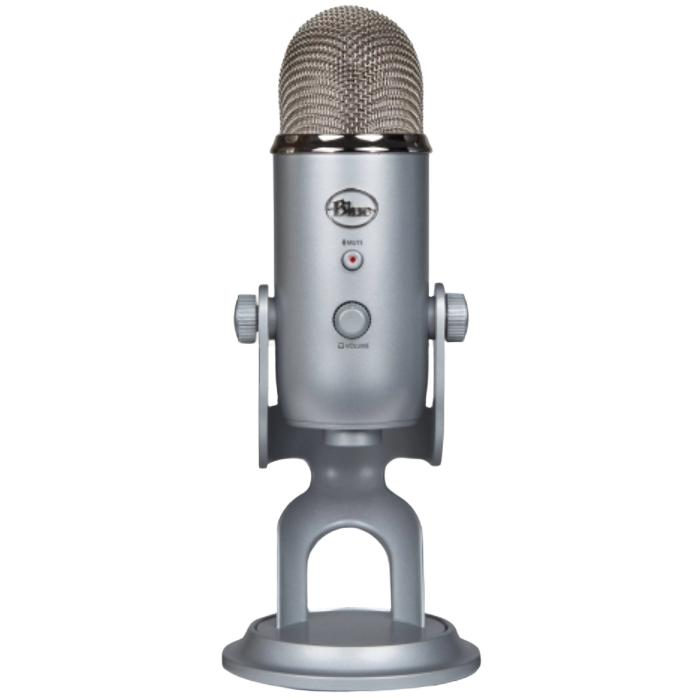
The Blue Yeti has become a familiar reference point in the Microphone category, largely because of its plug-and-play USB setup, multi-pattern flexibility, and accessible price range. With features like four selectable polar patterns and a multi-capsule design, it covers a wide range of use cases, from streaming to podcasting. However, as recording needs become more specific, many users begin searching for an alternative to the Blue Yeti microphone that better matches their environment, workflow, or long-term setup goals.
One of the most common reasons for exploring alternatives comes down to real-world recording conditions. Condenser microphones like the Blue Yeti are designed to capture detailed audio across a wide frequency range, often around 20 Hz to 20,000 Hz. Still, that sensitivity can also pick up background noise, room reflections, and ambient sounds in untreated spaces. In contrast, dynamic microphones are frequently chosen for their stronger noise rejection, especially in home offices or shared environments where controlling background sound is difficult.
Another key factor is connectivity and upgrade flexibility. USB microphones offer simplicity, but models with dual USB and XLR outputs provide a clearer upgrade path, allowing users to transition into more advanced setups without replacing their entire system. At the same time, measurable specs like audio resolution (such as 48kHz/24-bit), built-in monitoring options, and onboard controls play a practical role in how each microphone performs during daily use.
Ultimately, this guide approaches the comparison from a data-driven perspective, focusing on how different microphones balance sound quality, noise handling, connectivity, and usability. Rather than replacing the Blue Yeti outright, the goal is to help readers understand which alternatives align better with their specific recording needs and environments.
Alternative Options
Other products worth your attention.
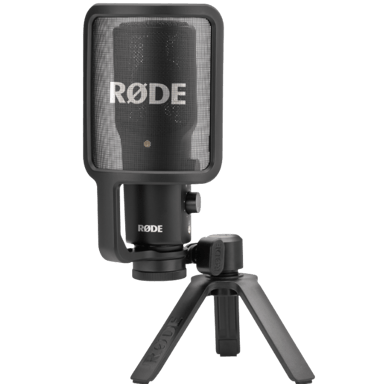
The Rode NT-USB is a relevant alternative to the Blue Yeti for USB condenser microphone users, especially for podcasting, streaming, and studio recording. Both microphones deliver professional-grade audio quality with USB connectivity, making them suitable replacements for each other in many scenarios.
Both are condenser microphones designed for desktop use with USB connectivity, allowing easy plug-and-play with PCs and other devices.
The Rode NT-USB supports professional studio and broadcast recording similar to the Blue Yeti's intended use.
Both microphones feature large diaphragm capsules that capture detailed sound.
Both have built-in controls including gain and mute options, enhancing recording flexibility and user control.
While the NT-USB has a fixed cardioid pattern as opposed to the Blue Yeti's multiple polar patterns, it remains a strong practical replacement for typical podcasting and streaming needs.
Nerdy Bits & Must-Knows
Specs worth knowing…
Rode NT-USB
Product Type
What is the product type?
68
Rode NT-USB
0
Votes
Condenser
62
Microphones in this range
Condenser
Rode NT-USB
This is a condenser microphone, ideal for capturing clear, detailed sound, especially for voice and instruments in studio or broadcast environments. Condenser mics excel at picking up nuanced details, making them perfect for podcasting or live performances.
Defines the basic category of the microphone.
When it comes to Product Type,
Rode NT-USB ◉ is
better than
Microphone in this range ◉
, delivering
higher
6 score
measurement.
Don’t keep it to yourself — be the first to react and review the
Product Type on Rode NT-USB
◉ and help others decide!
62
Microphones in this range
Studio, Live, Podcast, Broadcast, Instrument, Streaming
Rode NT-USB
Versatile across multiple uses, the NT-USB excels in both recording studio settings and live environments like podcasts or streaming. It’s a great choice for content creators and musicians alike.
Describes the primary application area.
When it comes to Intended Use,
Rode NT-USB ◉ is
better than
Microphone in this range ◉
, delivering
higher
3 score
measurement.
Don’t keep it to yourself — be the first to react and review the
Intended Use on Rode NT-USB
◉ and help others decide!
Rode NT-USB
Form Factor
What is the form factor?
38
Rode NT-USB
0
Votes
Desktop
51
Microphones in this range
Handheld
Rode NT-USB
Designed for desk use, the NT-USB is compact and easy to set up, making it ideal for podcasters, streamers, and home studios. Its size ensures it fits easily into any workspace.
Describes the physical style of the microphone.
When it comes to Form Factor,
Rode NT-USB ◉ is
worse than
Microphone in this range ◉
, delivering
equal
13 score
measurement.
Don’t keep it to yourself — be the first to react and review the
Form Factor on Rode NT-USB
◉ and help others decide!
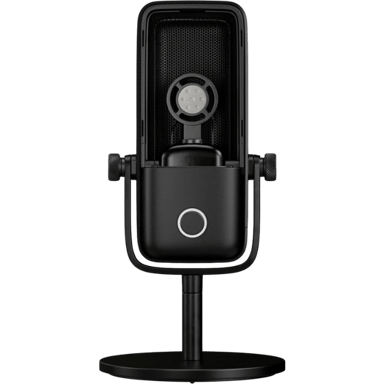
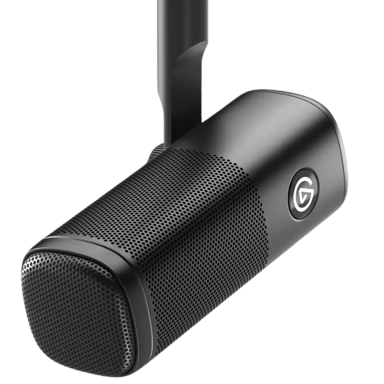
The Elgato Wave:1 offers a relevant alternative to the Blue Yeti for users focused on podcasting, streaming, and general USB condenser microphone needs, especially for desktop use. While it has a simpler cardioid polar pattern compared to the Blue Yeti's multiple selectable patterns, it still covers core functionality effectively for most professional audio recording scenarios.
Both are condenser USB microphones designed for desktop use, ideal for podcasting and streaming.
They share USB connectivity and are compatible with PC platforms.
Both support mounting via stand or boom arm with a 5/8" thread size.
The Elgato Wave:1 features studio-grade internal preamps and a metal build with a matte finish, similar in quality and durability to the Blue Yeti.
Overall, the Elgato Wave:1 can replace the Blue Yeti for users who do not require multi-pattern flexibility but want professional-grade USB microphone performance.
Nerdy Bits & Must-Knows
Specs worth knowing…
Elgato Wave:1
Product Type
What is the product type?
89
Elgato Wave:1
0
Votes
USB
62
Microphones in this range
Condenser
Elgato Wave:1
The Wave 1 is a USB-powered microphone, providing a simple plug-and-play experience for users who want quick setup without external audio interfaces. Its USB connectivity makes it a great option for streamers and podcasters who prioritize ease of use.
Defines the basic category of the microphone.
When it comes to Product Type,
Elgato Wave:1 ◉ is
better than
Microphone in this range ◉
, delivering
higher
27 score
measurement.
Don’t keep it to yourself — be the first to react and review the
Product Type on Elgato Wave:1
◉ and help others decide!
Elgato Wave:1
Compatibility
Which devices or platforms are compatible?
79
Elgato Wave:1
0
Votes
PC, Mac
53
Microphones in this range
Mixer, Audio Interface, PA System
Elgato Wave:1
The Wave 1 is compatible with both PC and Mac systems, making it versatile for a wide range of setups. Its USB-C connection allows it to integrate seamlessly with modern computers and streaming setups without the need for additional adapters.
Lists supported platforms and devices.
When it comes to Compatibility,
Elgato Wave:1 ◉ is
better than
Microphone in this range ◉
, delivering
higher
26 score
measurement.
Don’t keep it to yourself — be the first to react and review the
Compatibility on Elgato Wave:1
◉ and help others decide!
Elgato Wave:1
Connectivity Type
What is the connectivity type?
69
Elgato Wave:1
0
Votes
USB
48
Microphones in this range
Wired, XLR
Elgato Wave:1
USB connectivity provides a simple, reliable solution for users looking to connect directly to their computer. This makes the Wave 1 a no-fuss option for those who want to avoid the complexity of mixers or external interfaces.
Defines how the microphone connects to devices.
When it comes to Connectivity Type,
Elgato Wave:1 ◉ is
better than
Microphone in this range ◉
, delivering
higher
21 score
measurement.
Don’t keep it to yourself — be the first to react and review the
Connectivity Type on Elgato Wave:1
◉ and help others decide!
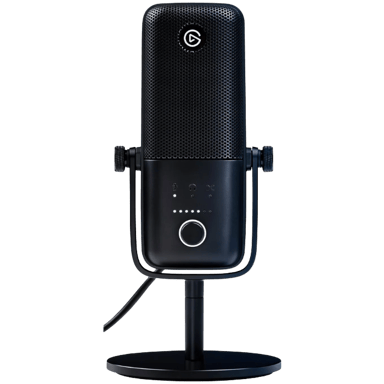
The Elgato Wave:3 is a relevant alternative to the Blue Yeti for users seeking a high-quality USB condenser microphone primarily intended for podcasting, streaming, and broadcasting. Though there are differences in polar pattern options and certain technical details, both microphones serve similar real-world use cases and provide professional-grade audio capture.
Both microphones are USB condenser types designed for desktop use, targeting podcasters, streamers, and professional users.
The Elgato Wave:3 supports cardioid pickup, which covers the most common directional pattern used for vocal recording, similar to one of Blue Yeti's multiple polar patterns.
Both devices connect via USB and are compatible with PC environments, making setup and use similarly straightforward.
Both have metal body construction with a matte finish, ensuring comparable durability and build quality.
While the Blue Yeti offers multiple polar patterns for versatile recording scenarios, the Wave:3 focuses on a refined cardioid pattern and modern features, making it a strong, functional replacement depending on user needs.
Nerdy Bits & Must-Knows
Specs worth knowing…
Elgato Wave:3
Product Type
What is the product type?
89
Elgato Wave:3
0
Votes
USB
62
Microphones in this range
Condenser
Elgato Wave:3
The Elgato Wave:3 is a USB microphone, providing a plug-and-play experience for easy setup with computers. It connects directly via USB-C for hassle-free audio recording and streaming.
Defines the basic category of the microphone.
When it comes to Product Type,
Elgato Wave:3 ◉ is
better than
Microphone in this range ◉
, delivering
higher
27 score
measurement.
Don’t keep it to yourself — be the first to react and review the
Product Type on Elgato Wave:3
◉ and help others decide!
Elgato Wave:3
Intended Use
What is the intended use?
67
Elgato Wave:3
0
Votes
Podcast, Streaming, Video Recording, Gaming
62
Microphones in this range
Studio, Live, Podcast, Broadcast, Instrument, Streaming
Elgato Wave:3
Perfect for podcasters, gamers, and streamers, the Wave:3 excels in high-quality audio capture for all content creation needs.
Describes the primary application area.
When it comes to Intended Use,
Elgato Wave:3 ◉ is
better than
Microphone in this range ◉
, delivering
higher
5 score
measurement.
Don’t keep it to yourself — be the first to react and review the
Intended Use on Elgato Wave:3
◉ and help others decide!
Elgato Wave:3
Compatibility
Which devices or platforms are compatible?
79
Elgato Wave:3
0
Votes
PC, Mac
53
Microphones in this range
Mixer, Audio Interface, PA System
Elgato Wave:3
Compatible with both Windows PCs and Mac computers, making it versatile for a wide range of users.
Lists supported platforms and devices.
When it comes to Compatibility,
Elgato Wave:3 ◉ is
better than
Microphone in this range ◉
, delivering
higher
26 score
measurement.
Don’t keep it to yourself — be the first to react and review the
Compatibility on Elgato Wave:3
◉ and help others decide!
The Elgato Wave DX serves as a relevant alternative to the Blue Yeti for podcasting and streaming, though there are important differences in microphone technology and connectivity that may affect user preference and setup.
Both microphones target podcasting and streaming uses, supporting professional and beginner skill levels.
The Blue Yeti is a USB condenser microphone with multiple polar patterns, offering versatile recording modes.
The Elgato Wave DX is a dynamic microphone using XLR connectivity, providing a more traditional professional audio setup and a single cardioid pattern tailored for focused voice capture.
Both have metal bodies and matte finishes, supporting durability and similar build quality.
While the Elgato Wave DX can replace the Blue Yeti in many streaming and podcasting scenarios, users may need additional audio interface equipment to use the XLR connection and may lose the multi-pattern versatility the Blue Yeti offers.
Nerdy Bits & Must-Knows
Specs worth knowing…
Elgato Wave DX
Product Type
What is the product type?
39
Elgato Wave DX
0
Votes
Dynamic
52
Microphones in this range
Condenser
Elgato Wave DX
The Elgato Wave DX is a dynamic microphone, meaning it captures sound with minimal power and is less sensitive to background noise compared to condenser mics. This makes it ideal for environments with ambient noise, like home studios or live settings.
Defines the basic category of the microphone.
When it comes to Product Type,
Elgato Wave DX ◉ is
worse than
Microphone in this range ◉
, delivering
equal
13 score
measurement.
Don’t keep it to yourself — be the first to react and review the
Product Type on Elgato Wave DX
◉ and help others decide!
Elgato Wave DX
Intended Use
What is the intended use?
84
Elgato Wave DX
0
Votes
Podcast, Streaming, Video Recording
70
Microphones in this range
Studio, Live, Podcast, Broadcast, Instrument, Streaming
Elgato Wave DX
The Wave DX is tailored for creators across multiple fields, including podcasting, streaming, and video production. Whether you're recording vocals for a podcast or commentary for a stream, it excels at delivering clear, detailed sound.
Describes the primary application area.
When it comes to Intended Use,
Elgato Wave DX ◉ is
better than
Microphone in this range ◉
, delivering
higher
14 score
measurement.
Don’t keep it to yourself — be the first to react and review the
Intended Use on Elgato Wave DX
◉ and help others decide!
Elgato Wave DX
Polar Pattern Type
What is the polar pattern type?
69
Elgato Wave DX
0
Votes
Cardioid
69
Microphones in this range
Cardioid
Elgato Wave DX
The cardioid polar pattern focuses on sound directly in front of the microphone, minimizing noise from the sides and rear. This makes it perfect for single-user setups like streaming or solo podcasting, where capturing only your voice is essential.
Identifies the default pickup pattern.
When it comes to Polar Pattern Type,
Elgato Wave DX ◉ is
same as
Microphone in this range ◉
.
Don’t keep it to yourself — be the first to react and review the
Polar Pattern Type on Elgato Wave DX
◉ and help others decide!
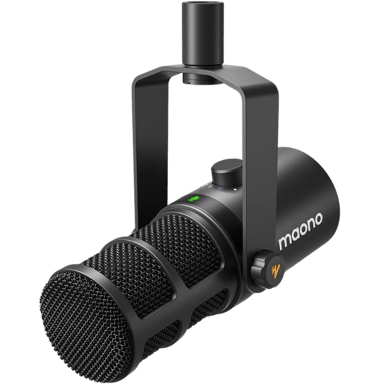
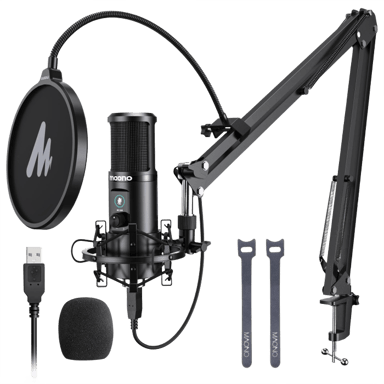
The Maono PD400X is a relevant alternative to the Blue Yeti for podcasting, streaming, and general desktop recording needs, though differences in microphone type and connectivity impact its suitability as a direct replacement.
Both microphones are designed for desktop use and target similar audiences such as podcasters, broadcasters, and streamers.
The Blue Yeti is a USB condenser microphone offering multiple polar patterns, while the Maono PD400X is a dynamic microphone with primarily cardioid polar pattern, affecting recording versatility.
Connectivity differs: Blue Yeti uses USB only, whereas the Maono PD400X supports both USB and XLR connections, providing greater flexibility for professional setups.
Both models include onboard controls such as knobs and buttons for sound management, catering to beginner through professional users.
While the Maono PD400X can serve as a strong alternative for many recording scenarios, users needing multi-pattern recording or pure USB plug-and-play simplicity may prefer the Blue Yeti.
Nerdy Bits & Must-Knows
Specs worth knowing…
Maono PD400X
Product Type
What is the product type?
39
Maono PD400X
0
Votes
Dynamic
62
Microphones in this range
Condenser
Maono PD400X
The dynamic microphone design ensures robust sound capture, ideal for handling high-pressure sound sources in various environments such as live events or podcasts.
Defines the basic category of the microphone.
When it comes to Product Type,
Maono PD400X ◉ is
worse than
Microphone in this range ◉
, delivering
equal
23 score
measurement.
Don’t keep it to yourself — be the first to react and review the
Product Type on Maono PD400X
◉ and help others decide!
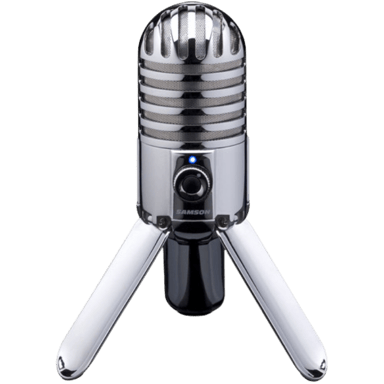
The Samson Meteor Mic offers a USB condenser microphone solution that shares several core features with the Blue Yeti, making it a relevant alternative for users focused on USB connectivity and professional audio recording. However, it differs notably in polar pattern versatility and intended usage scenarios.
Both microphones use USB connectivity and function as condenser microphones targeted at professional users.
Each microphone supports large diaphragm capsules, suitable for clear and detailed audio capture.
The Blue Yeti offers multi-pattern switching (cardioid, omnidirectional, bidirectional, stereo), while the Samson Meteor Mic only provides a cardioid pattern, limiting its flexibility for varied recording environments.
Both microphones have a desktop form factor and standard 5/8" mounting thread compatibility.
While the Samson Meteor Mic can serve as a practical replacement for general USB condenser mic needs, it may not fully substitute the Blue Yeti where multi-pattern recording versatility is essential.
Nerdy Bits & Must-Knows
Specs worth knowing…
Samson Meteor Mic
Product Type
What is the product type?
76
Samson Meteor Mic
0
Votes
USB
52
Microphones in this range
Condenser
Defines the basic category of the microphone.
When it comes to Product Type,
Samson Meteor Mic ◉ is
better than
Microphone in this range ◉
, delivering
higher
24 score
measurement.
Don’t keep it to yourself — be the first to react and review the
Product Type on Samson Meteor Mic
◉ and help others decide!
Samson Meteor Mic
Polar Pattern Type
What is the polar pattern type?
66
Samson Meteor Mic
0
Votes
Cardioid
69
Microphones in this range
Cardioid
Samson Meteor Mic
Featuring a Cardioid polar pattern, the microphone primarily picks up sound from the front while rejecting sound from the sides and rear, making it ideal for isolating a specific sound source.
Identifies the default pickup pattern.
When it comes to Polar Pattern Type,
Samson Meteor Mic ◉ is
worse than
Microphone in this range ◉
, delivering
equal
3 score
measurement.
Don’t keep it to yourself — be the first to react and review the
Polar Pattern Type on Samson Meteor Mic
◉ and help others decide!
Samson Meteor Mic
Microphone Type
What is the microphone type?
56
Samson Meteor Mic
0
Votes
Condenser, USB
69
Microphones in this range
Condenser
Defines the operating principle of the microphone.
When it comes to Microphone Type,
Samson Meteor Mic ◉ is
worse than
Microphone in this range ◉
, delivering
equal
13 score
measurement.
Don’t keep it to yourself — be the first to react and review the
Microphone Type on Samson Meteor Mic
◉ and help others decide!
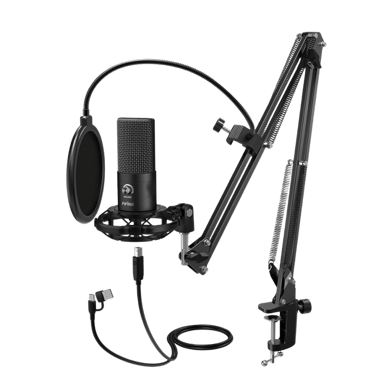
The Fifine T669 is a relevant alternative to the Blue Yeti, especially for users seeking a USB condenser microphone for podcasting, streaming, and similar desktop recording needs. While it offers fewer polar pattern options, it covers the basic functionalities required for common recording applications.
Both microphones are USB condenser types designed for desktop use suitable for podcasting, streaming, and recording.
The Fifine T669 provides cardioid polar pattern capability, aligning with one of the Blue Yeti's primary recording modes.
Compatibility is broad in both cases, working with PC platforms and extending to Mac and Android for the Fifine.
Both support standard mounting options including desktop bases and boom arms, offering flexible setup options.
Overall, the Fifine T669 can serve as a practical replacement for users who do not require the Blue Yeti's advanced multi-pattern versatility.
Nerdy Bits & Must-Knows
Specs worth knowing…
Fifine T669
Product Type
What is the product type?
68
Fifine T669
0
Votes
USB
50
Microphones in this range
Condenser
Defines the basic category of the microphone.
When it comes to Product Type,
Fifine T669 ◉ is
better than
Microphone in this range ◉
, delivering
higher
18 score
measurement.
Don’t keep it to yourself — be the first to react and review the
Product Type on Fifine T669
◉ and help others decide!
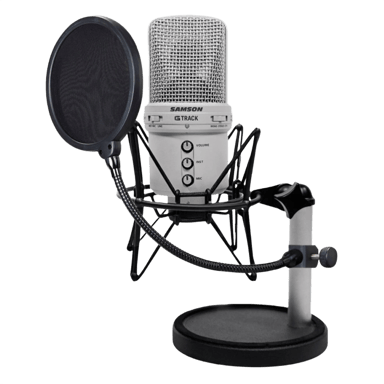
The Samson G-Track serves as a relevant alternative to the Blue Yeti for podcasting and desktop recording needs, sharing many core features essential for typical user scenarios.
Both microphones use USB connectivity and are designed for desktop use, ensuring easy compatibility with PCs.
They share the condenser large diaphragm microphone type, suitable for capturing clear and professional audio.
Both support dual recording modes including stereo and mono, accommodating different recording setups.
Each microphone offers a metal body with a matte finish, contributing to durable build quality.
Nerdy Bits & Must-Knows
Specs worth knowing…
Samson G-Track
Product Type
What is the product type?
76
Samson G-Track
0
Votes
USB
52
Microphones in this range
Condenser
Samson G-Track
Classified as a USB type microphone, facilitating digital connection without requiring separate audio interfaces.
Defines the basic category of the microphone.
When it comes to Product Type,
Samson G-Track ◉ is
better than
Microphone in this range ◉
, delivering
higher
24 score
measurement.
Don’t keep it to yourself — be the first to react and review the
Product Type on Samson G-Track
◉ and help others decide!
Samson G-Track
Microphone Type
What is the microphone type?
86
Samson G-Track
0
Votes
Condenser
69
Microphones in this range
Condenser
Samson G-Track
This is a condenser microphone, known for capturing clear and detailed audio with sensitivity ideal for studio and podcasting environments.
Defines the operating principle of the microphone.
When it comes to Microphone Type,
Samson G-Track ◉ is
better than
Microphone in this range ◉
, delivering
higher
17 score
measurement.
Don’t keep it to yourself — be the first to react and review the
Microphone Type on Samson G-Track
◉ and help others decide!
Samson G-Track
Stereo/Mono Mode
What mode is supported?
56
Samson G-Track
0
Votes
Dual (Stereo & Mono)
12
Microphones in this range
Mono
Determines recording mode.
When it comes to Stereo/Mono Mode,
Samson G-Track ◉ is
better than
Microphone in this range ◉
, delivering
higher
44 score
measurement.
Don’t keep it to yourself — be the first to react and review the
Stereo/Mono Mode on Samson G-Track
◉ and help others decide!
The Maono PM421 is a relevant alternative to the Blue Yeti for users seeking a USB condenser microphone primarily for podcasting, streaming, and studio recording. While it offers fewer polar patterns, it covers essential uses with a cardioid mode and shares many key features, making it a practical substitute especially for beginner and intermediate users.
Both microphones are USB condenser types with large diaphragm capsules, suitable for high-quality voice recording.
The Maono PM421 supports primary use cases such as podcasting, streaming, and studio recording, matching the Blue Yeti's intended applications.
Both offer USB connectivity and are designed as desktop form factors compatible with PC, with the Maono also supporting Mac.
The Maono focuses on cardioid directionality, which covers the most common recording scenario, while the Blue Yeti offers additional patterns for versatile recording setups.
Nerdy Bits & Must-Knows
Specs worth knowing…
Maono PM421
Product Type
What is the product type?
49
Maono PM421
0
Votes
Condenser
52
Microphones in this range
Condenser
Maono PM421
As a condenser microphone, it captures detailed sound with high sensitivity, ideal for vocals and instruments.
Defines the basic category of the microphone.
When it comes to Product Type,
Maono PM421 ◉ is
worse than
Microphone in this range ◉
, delivering
equal
3 score
measurement.
Don’t keep it to yourself — be the first to react and review the
Product Type on Maono PM421
◉ and help others decide!
70
Microphones in this range
Studio, Live, Podcast, Broadcast, Instrument, Streaming
Maono PM421
Intended uses include studio sessions, podcasting, streaming, voice recording, gaming, and video recording, highlighting its versatility for content creators.
Describes the primary application area.
When it comes to Intended Use,
Maono PM421 ◉ is
better than
Microphone in this range ◉
, delivering
higher
5 score
measurement.
Don’t keep it to yourself — be the first to react and review the
Intended Use on Maono PM421
◉ and help others decide!
Maono PM421
Form Factor
What is the form factor?
44
Maono PM421
0
Votes
Desktop
48
Microphones in this range
Handheld
Maono PM421
The form factor is desktop, indicating it is designed for placement on a desk or table suitable for studio or home use.
Describes the physical style of the microphone.
When it comes to Form Factor,
Maono PM421 ◉ is
worse than
Microphone in this range ◉
, delivering
equal
4 score
measurement.
Don’t keep it to yourself — be the first to react and review the
Form Factor on Maono PM421
◉ and help others decide!
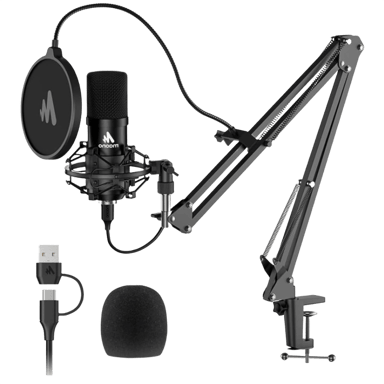
The Maono AU-A04 is a relevant alternative to the Blue Yeti for users seeking a desktop USB condenser microphone primarily for podcasting, streaming, and voice recording. While it offers a more streamlined single cardioid polar pattern and is geared more towards beginners and intermediate users, it covers the fundamental functionalities needed for quality voice capture in similar use cases.
Both microphones use condenser capsules with USB connectivity, making them plug-and-play for PC and compatible devices.
Each microphone is designed for desktop use and supports mounting on boom arms or stands, facilitating flexible recording setups.
The intended uses overlap considerably, focusing on podcasting, streaming, and voice recording applications.
Both models include onboard controls with knobs or buttons to adjust gain and other settings, supporting ease of use during recording sessions.
However, the Maono AU-A04 has a simpler polar pattern and slightly lower versatility, so it is best suited for users who do not require multi-pattern switching or more advanced professional features.
Nerdy Bits & Must-Knows
Specs worth knowing…
Maono AU-A04
Product Type
What is the product type?
48
Maono AU-A04
0
Votes
Condenser
50
Microphones in this range
Condenser
Defines the basic category of the microphone.
When it comes to Product Type,
Maono AU-A04 ◉ is
worse than
Microphone in this range ◉
, delivering
equal
2 score
measurement.
Don’t keep it to yourself — be the first to react and review the
Product Type on Maono AU-A04
◉ and help others decide!
Maono AU-A04
Compatibility
Which devices or platforms are compatible?
85
Maono AU-A04
0
Votes
PC, Mac, Mobile
67
Microphones in this range
Mixer, Audio Interface, PA System
Lists supported platforms and devices.
When it comes to Compatibility,
Maono AU-A04 ◉ is
better than
Microphone in this range ◉
, delivering
higher
18 score
measurement.
Don’t keep it to yourself — be the first to react and review the
Compatibility on Maono AU-A04
◉ and help others decide!
Maono AU-A04
Form Factor
What is the form factor?
38
Maono AU-A04
0
Votes
Desktop
40
Microphones in this range
Handheld
Describes the physical style of the microphone.
When it comes to Form Factor,
Maono AU-A04 ◉ is
worse than
Microphone in this range ◉
, delivering
equal
2 score
measurement.
Don’t keep it to yourself — be the first to react and review the
Form Factor on Maono AU-A04
◉ and help others decide!
Worth a Second Look
Didn't make the cut this time, but still solid options.
Stuff You Were Too Shy to Ask
But we answered it anyway.
What factors matter most when choosing a microphone alternative?
When comparing options, focus on measurable factors like frequency response range, sensitivity, and noise handling. A wider range, often around 20 Hz to 20,000 Hz, can capture more detail, but may also increase unwanted background pickup. Connectivity also matters, as USB offers simplicity while XLR enables more control and upgrade flexibility. Look at real-world usability features such as onboard gain controls and monitoring. These specifications help determine how a microphone performs in different environments, especially in untreated rooms where clarity and noise rejection become critical.
How does noise rejection impact everyday recording quality?
Noise rejection plays a major role in how clean your recordings sound, especially outside professional studios. Microphones with tighter pickup patterns, such as cardioid or supercardioid, can help reduce off-axis noise like keyboard clicks or room echo. Dynamic microphones often provide stronger natural noise rejection compared to condenser types. While software noise reduction can assist, it may introduce artifacts. Evaluating how a microphone handles background sound at the source is typically more reliable for consistent results in home or shared environments.
Is USB or XLR better for long term microphone use?
USB microphones are generally easier to set up and work well for beginners, offering plug-and-play convenience. However, XLR connections allow access to external audio interfaces, which can improve control over gain and signal processing. Some models offer dual USB and XLR outputs, giving flexibility to upgrade without replacing the device. For long-term use, this adaptability can be valuable, especially if recording needs grow or require more advanced audio routing and control.
What audio resolution specs should you look for in microphones?
Audio resolution is typically measured in sample rate and bit depth, such as 48kHz/24-bit, which is widely considered broadcast-ready quality. Higher sample rates can capture more detail, while greater bit depth improves dynamic range and reduces distortion in quiet passages. While these specs are important, they should be evaluated alongside the microphone type and the environment. In many cases, consistent performance and proper placement have as much impact as raw resolution numbers.
How do polar patterns affect recording flexibility and accuracy?
Polar patterns determine how a microphone captures sound from different directions. Common options include cardioid, omnidirectional, bidirectional, and stereo. A cardioid pattern focuses on sound from the front, helping isolate a single voice, while an omnidirectional pattern captures sound from all directions for group settings. More patterns can increase flexibility, but also require careful setup to avoid unwanted noise. Understanding how each pattern behaves in your environment helps ensure accurate and controlled recordings.
Can microphone build quality affect durability and performance consistency?
Build quality can influence both longevity and consistent performance over time. Microphones with metal housings and reinforced mounts tend to resist wear better than plastic alternatives, especially with frequent use. Internal components like shock mounts can reduce handling noise and vibrations. While durability does not directly improve sound quality, it helps maintain stable performance across sessions, which is important for regular recording or professional workflows.
Why do some microphones perform better in untreated rooms?
Performance in untreated spaces depends largely on how a microphone handles reflections and ambient noise. Condenser microphones, including models like the Blue Yeti, are highly sensitive and can capture subtle room sounds. In contrast, dynamic microphones typically focus more on direct sound, offering better isolation in noisy environments. This difference makes certain microphones more suitable for home offices or shared spaces where controlling acoustics is limited.
What usability features improve real world recording experience?
Practical features can significantly impact daily use. Options like real-time headphone monitoring allow you to hear your audio instantly, while onboard gain and mute controls help adjust levels without software. Low-latency output ensures minimal delay during recording. Additional features, such as multi-device compatibility or included accessories, can also improve setup efficiency. These usability elements often determine how smoothly a microphone fits into your workflow.
Big Brain Stuff, Summed Up
Because who reads everything, right?
Exploring an alternative to Blue Yeti microphone options ultimately comes down to how each microphone performs under real conditions. Factors like noise rejection, polar pattern behavior, and connectivity type can significantly influence recording results. For example, condenser microphones with a wide frequency response range may capture more detail, but can also introduce unwanted ambient noise, while dynamic options often provide more controlled output in untreated spaces. These measurable differences help clarify why certain models may better suit specific environments or workflows.
Equally important is how each option supports long-term usability. Features such as USB versus XLR connectivity, onboard controls, and real-time monitoring can affect both ease of use and upgrade potential. Some microphones prioritize plug-and-play simplicity, while others offer flexibility for more advanced setups. Build quality, included accessories, and warranty coverage may also indicate reliability over time, especially for regular recording use.
Rather than focusing on a single best choice, this comparison highlights how different microphones align with different priorities. By evaluating verified specifications and real-world performance factors, readers can make more informed decisions based on their own setup, budget, and recording goals. A careful, data-driven approach will always lead to a more suitable and consistent recording experience.